
Rehabilitation in Leland
Chronic pain and recurring injuries often share a common root: a gap in strength, stability, or mobility that keeps the body stuck in a cycle of breakdown and re-injury.
Rebuilding the Movement Patterns That Keep You Stable
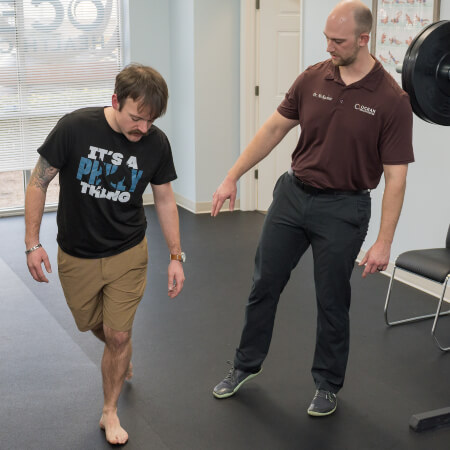
Rehab at Ocean Health Center draws on DNS, or Dynamic Neuromuscular Stabilization, a technique grounded in developmental kinesiology. DNS looks at how the body learns to move and stabilize in the first year of life and uses those foundational movement patterns to correct dysfunction at its source.
Rather than prescribing a long list of generic exercises, the focus is on one or two highly specific movements at a time that retrain both the muscles and the nervous system together—re-educating the brain through the neurological re-integration of proper biomechanical movements and positioning. This is what sets DNS apart from conventional physical therapy approaches, and for many patients, it’s the first time rehab has actually addressed the root cause.
Where Rehab Makes the Biggest Difference
Patients who tend to benefit most are those who keep re-injuring the same area because the underlying stabilization or strength deficit was never fully resolved. Poor core stabilization, weak shoulder mechanics, and faulty foot movement patterns are among the most common contributors. Rehab addresses conditions including:
- Chronic low back pain
- Hip and knee movement dysfunction
- Shoulder instability
- Poor postural stability
- Post-injury weakness
- Recurring sports injuries
A “Less Is More” Approach to Each Visit
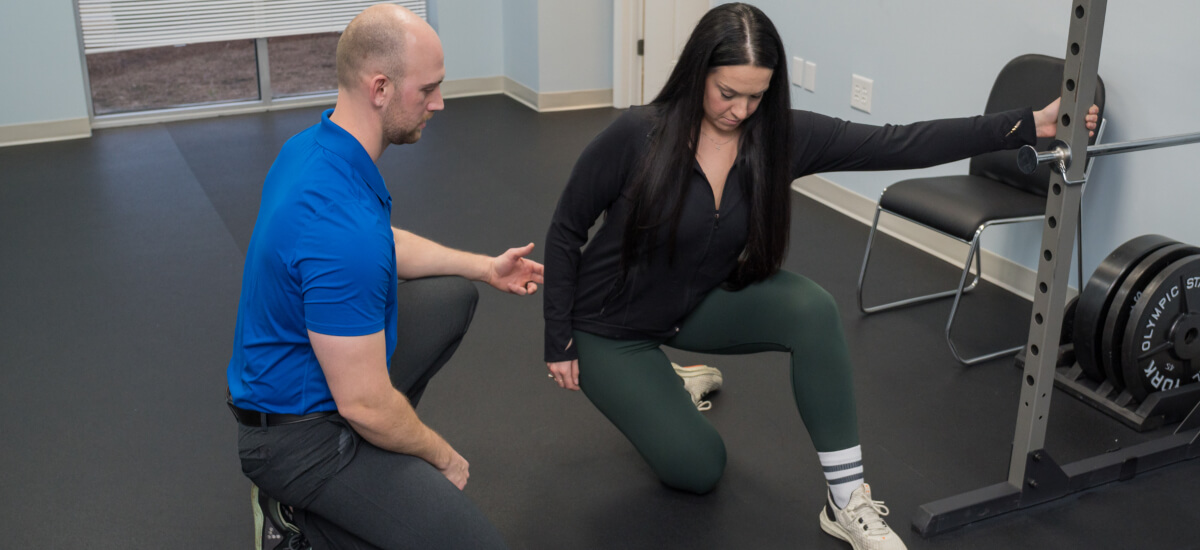
After a thorough exam to identify exactly where the breakdown is occurring, a rehab plan is built specific to your findings. Sessions are intentionally brief: one to two targeted exercises that take only a few minutes to complete. That focus makes follow-through realistic and keeps progress steady without overwhelming you. And unlike the traditional PT model of three visits per week, the DNS approach typically requires far less frequent visits to achieve meaningful results.
Ready to Stop the Cycle of Re-Injury?
If the same area keeps breaking down, the problem likely isn’t the injury itself; it’s the instability underneath it. Contact us today to schedule your exam and start building a foundation that holds.
